
"yo no creo en fronteras. yo cruzare."
Wednesday, March 19, 2014

Friday, February 28, 2014
Tuesday, February 25, 2014
Unchanging Eve : Heartbreak Earth : A Carmelite Nun

I was counting up the number of different shades of brown which there are in a late winter garden. Grey, mostly, is just grey, with two or three tones of it only, all equally grey; but brown will range from an almost crimson tint to the first beginnings of the delicious yellow of spring. Even in the small space beyond me, enclosed in the arched circle of the door, I could count the terra-cotta brown of syringa stems, the purplish-brown shoots of a wild rose, and the more deeply purple earth of a burnt-out bonfire. Beyond that again was the plain brown of an old apple tree against the wall, with the warm, weathered brown of its tiles at the top; and beside that, the mauvey-bornw of dead goldenrod stalks and the yellow-brown haze of Michaelmas daisies. I wondered why she had suddenly switched from the Garden of Eden to the middle of the Atlantic, only to find, as I so often do, that she had not switched at all.
Wednesday, January 29, 2014
w.c. smith
To study a great poem, or a great work of art, or a great idea, is to become more fully human.
We must have the courage to recognize that in the university, as in all true intellectual inquiry, we are oriented to a transcendent reality, which is simply reality itself.

The principal of humane learning... is that one discovers in the course of one's study what one is after; what is worth wanting; what one "wants" in the old-fashioned literal sense of what is wanting in one's present state of becoming.
Yet by "to know" here is meant something incompatible, surely, with the notion of knowledge as a tool, as though it were external to oneself, were not integrated into the very core of one's being... To know is to become.

The best scientists are not technicians, but profoundly human; reverent in the face of an awesomely given universe. Although I said that the human mind is greater than all the galaxies, yet it is also true that a simple stone transcends all human knowledge of that stone.
Thursday, January 23, 2014
Tuesday, January 21, 2014
Monday, January 20, 2014
Sunday, January 19, 2014
:: if on a winter's night a traveler ~ italo calvino ::
This is how you have changed since yesterday, you who insisted you preferred a book, something solid, which lies before you, easily defined, enjoyed without risks, to a real-life experience, always elusive, discontinuous, debated. Does this mean that the book has become an instrument, a channel of communication, a rendezvous?

Opening a path for yourself, with a sword's blade, in the barrier of pages becomes linked with the thought of how much the word contains and conceals: you cut your way through your reading as if through a dense forest.
*
You try to picture how the world might appear, this world dense with writing that surrounds us on all sides, to someone who has learned not to read.
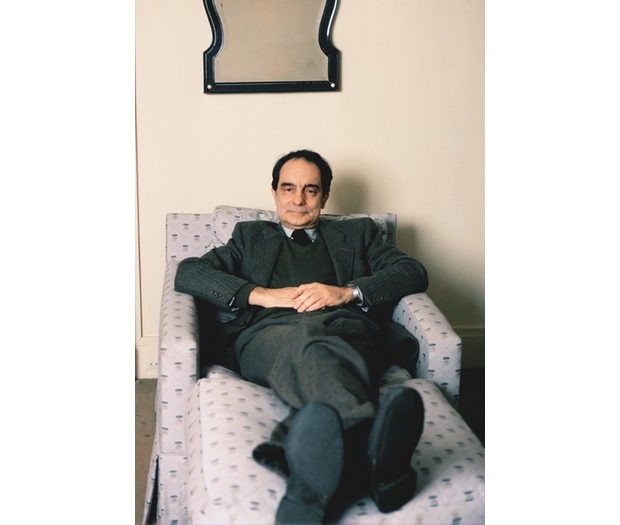
"I like to know that books exist that I will still be able to read . . ." she says, sure that existent objects, concrete albeit unknown, must correspond to the strength of her desire. How can you keep up with her, this woman who is always reading another book besides the one before her eyes, a book that does not yet exist, but which, since she wants it, cannot fail to exist?
The professor is there at his desk; in the cone of light from a desk lamp his hands surface, suspended, or barely resting on the closed volume, as if in a sad caress.
"Reading," he says, "is always this: there is a thing that is there, a thing made of writing, a solid, material object, which cannot be changed, and through this thing we measure ourselves against something else that is not present, something else that belongs to the immaterial, invisible world, because it can only be thought, imagined, or because it was once and is no longer, past, lost, unattainable, in the land of the dead. . . ."
"Or that is not present because it does not yet exist, something desired, feared, possible or impossible," Ludmilla says. "Reading is going toward something that is about to be, and no one yet knows what it will be. . . ." (There, now you see the Other Reader leaning forward to peer beyond the edge of the printed page at the ships of the rescuers or the invaders appearing on the horizon, the storms. . . .) "The book I would like to read now is a novel in which you sense the story arriving like still-vague thunder, the historical story along with the individual's story, a novel that gives the sense of living through an upheaval that still has no name, has not yet taken shape. . . ."

*
I stop before I succumb to the temptation to copy out all of Crime and Punishment. For an instant I seem to understand the meaning and fascination of a now inconceivable vocation: that of the copyist. The copyist lived simultaneously in two temporal dimensions, that of reading an that of writing; he could write without the anguish of having the void open before his pen; read without the anguish of having his own act become concrete in some material object.
Friday, December 27, 2013
:: baburnama ::

from Thackston's preface:
"Babur writes in his native tongue, a language that had little or no literary pretensions, and his style is devoid of the sumptuous Persianate artifice and literary contrivance, with its penchant for rhyming synonym and seemingly endless parallel constructions, that characterize the Chaghatay prose of Sultan-Husayn Mirza and Ali-Sher Nawa'i."
"...bearing in mind that it is impossible to reproduce in English, with its centuries of literature, the ambiance of a book written in a language with few, if any, literary antecedents, like Chaghatay."
Tuesday, December 24, 2013
v. woolf on reality . . .
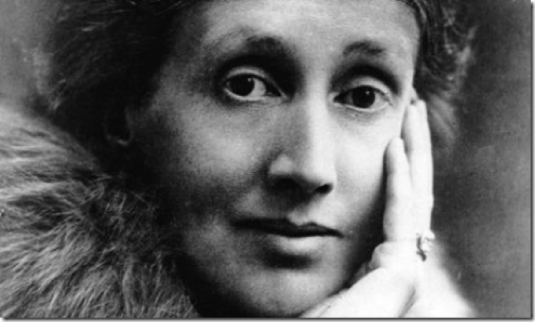
"What is meant by 'reality'? It would seem to be something very erratic, very undependable -- now to be found in a dusty road, now in a scrap of newspaper in the street, now in a daffodil in the sun. It lights up a group in a room and stamps some casual saying. It overwhelms one walking home beneath the stars and makes the silent world more real than the world of speech -- and then there it is again in an omnibus in the uproar of Picadilly. Sometimes, too, it seems to dwell in shapes too far away for us to discern what their nature is. But whatever it touches, it fixes and makes permanent. That is what remains over when the skin of the day has been cast into the hedge; that is what is left of past time and of our loves and hates. Now the writer, as I think, has the chance to live more than other people in the presence of this reality. It is his business to find it and collect it and communicate it to the rest of us."
v.woolf :: a room of one's own
"Like most uneducated Englishwomen, I like reading -- I like reading books in the bulk."
*

"I need not say that what I am about to describe has no existence; Oxbridge is an invention; so is Fernham; 'I' is only a convenient term for somebody who has no real being."
"The indifference of the world which Keats and and Flaubert and other men of genius have found so hard to bear was in her case not indifference but hostility. The world did not say to her as it said to them, Write if you choose; it makes no difference to me. The world said with a guffaw, Write? What's the good of your writing?"
*
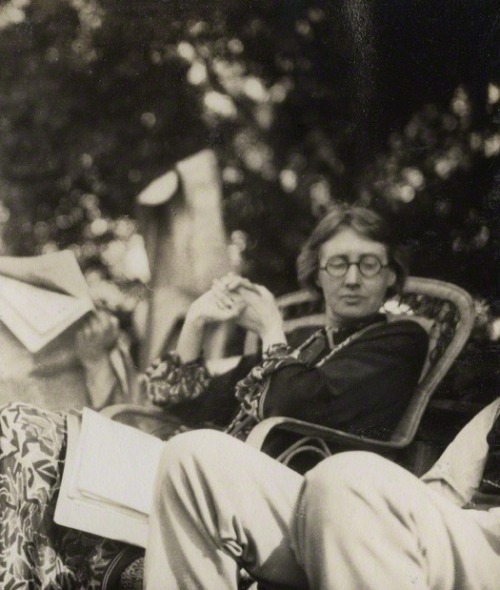
"Her gift is all grown about with weeds and bound with briars."
"As it was, what could bind, tame or civilize for human use that wild, generous, untutored intelligence? It poured itself out, higgledy-piggledy, in torrents of rhyme and prose, poetry and philosophy which stand congealed in quartos and folios that nobody ever reads. She should have had a microscope put in her hand. She should have been taught to look at the stars and reason scientifically. Her wits were turned with solitude and freedom."
*

"She left her story, to which her entire devotion was due, to attend to some personal grievance. She remembered that she had been starved of her proper due of experience -- she had been made to stagnate in a parsonage mending stockings when she wanted to wander free over the world. Her imagination swerved from indignation and we feel it swerve. But there were many more influences than anger tugging at her imagination and deflecting it from its path. Ignorance, for instance. The portrait of Rochester is drawn in the dark. We feel the influence of fear in it; just as we constantly feel an acidity which is the result of oppression a buried suffering smoldering beneath her passion, a rancor which contracts those books, splendid as they are, with a spasm of pain."
"It is fatal for a woman to lay the least stress on any grievance; to plead even with justice any cause; in any way to speak consciously as a woman. And fatal is no figure of speech; for anything written with that conscious bias is doomed to death. It ceases to be fertilized. Brilliant and effective, powerful and masterly, as it may appear for a day or two, it must wither at nightfall; it cannot grow in the minds of others."
*

"Indeed, it was delightful to read a man's writing again. It was so direct, so straightforward after the writing of women. It indicated such freedom of mind, such liberty of person, such confidence in himself. One had a sense of physical well-being in the presence of this well-nourished, well-educated, free mind, which had never been thwarted or opposed, but had had full liberty from birth to stretch itself in whatever way it liked."
"But - here I turned a page or two, looking for something or other - the worst of it is that in the shadow of the letter 'I' all is shapeless as mist."
*

"By hook or by crook, I hope that you will possess yourselves of money enough to travel and to idle, to contemplate the future or the past of the world, to dream over books and loiter at street corners and let the line of thought dig deep into the stream."
"Do not dream of influencing other people, I would say, if I knew how to make it sound exalted. Think of things in themselves."
*

"Lock up your libraries if you like; but there is no gate, no lock, no bolt that you can set upon the freedom of my mind."
*
Tuesday, December 17, 2013
Tuesday, December 10, 2013
Sunday, December 1, 2013


%20of%20KO0006.jpg)


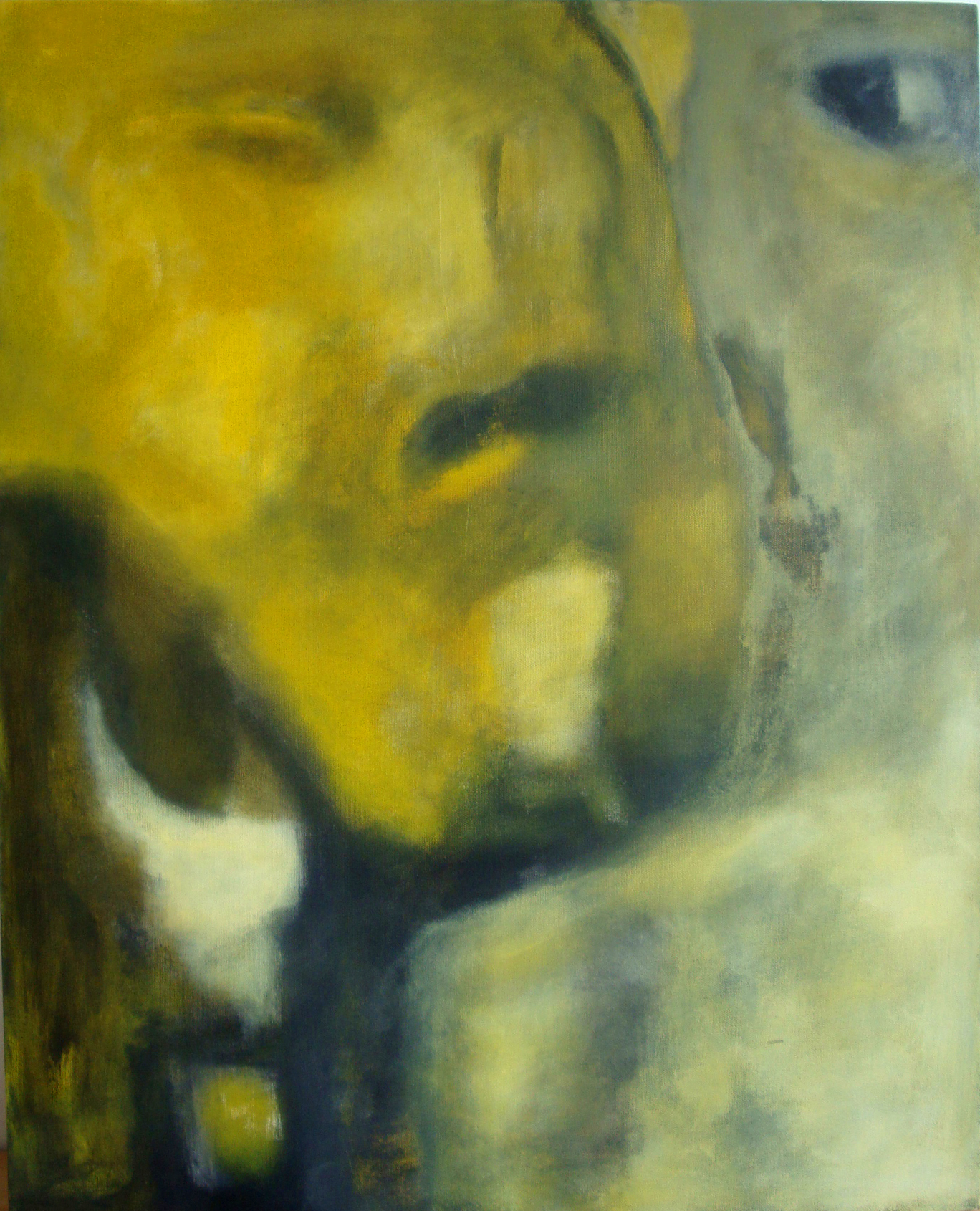
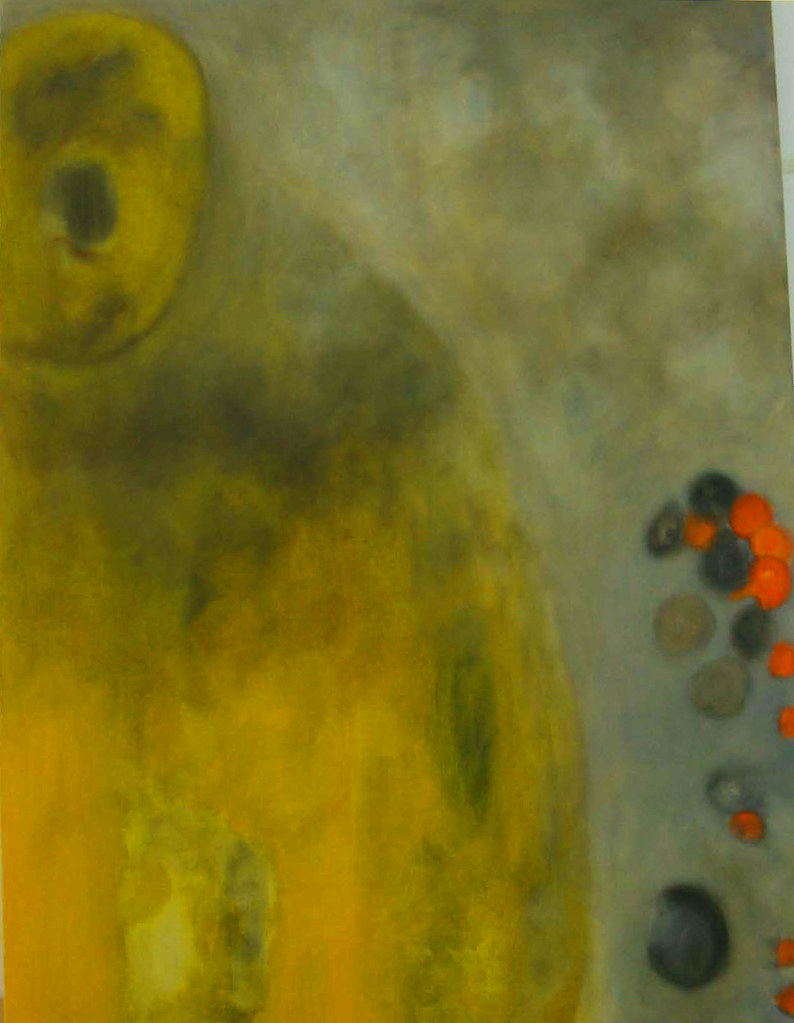
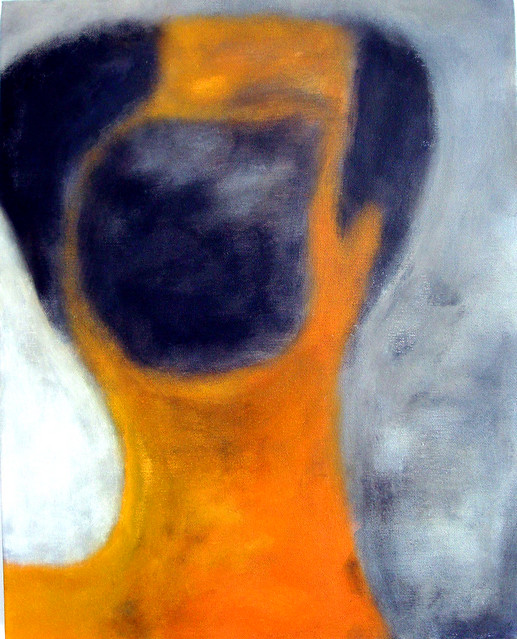
poetry of gendun chopel.
selections, trans. by don lopez
The maiden of the future, still unarrived, lives a human life, ever young.
The meeting of those two in the house of thoughts produced in the present:
This is the seed of all histories in the voices of migrators in the three realms.
དེ་རིང་མི་མཐོང་འདས་པའི་དཞོན་ནུ་ནམ་ཡང་རྒ་བ་ཡོད་མིན་ཏེ།།
ད་དུང་མ་སླེབས་ཕྱིས་ཀྱི་ན་ཆུང་རྟག་ཏུ་དར་མི་ཚེ་ལ་གནས།།
ད་ལྟ་སྐྱེས་པའི་རྟོག་པའི་ཁྱིམ་ན་དེ་གཉིས་ལྷན་ཅིག་འཛོམས་པ་འདི།།
ཁམས་གསུམ་འདྲོ་བའི་སྐད་དུ་བྲིས་པཻ་ལོ་རྒྱུས་ཀུན་གྱི་ས་བོན་ཉིད།།

First kiss the arms and under the arms
Then slowly kiss the belly.
Becoming more intoxicated, kiss the thighs and vulva;
Draw the streams of the channels into the sea.
ཐོག་མར་དཔུང་པ་དེ་ནས་མཐན་ཁུང་དང་།།
དེ་ནས་དལ་གྱིས་ལྟེ་བར་འོ་བྱེད་ཅིང་།།
ལྷག་པར་མྱོས་ནས་བྲལ་དང་བཧ་ག་སྟེ།།
ཡུར་བའི་ཆུ་ཕྲན་མཚོ་ལ་དྲངས་པར་བྱ།།
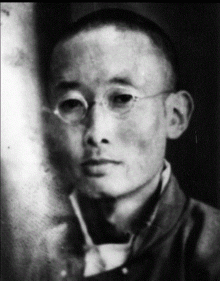
Connecting strings of body, speech, and knowledge,
The light from the minds of humans of like nature
Creates the sole stream radiating to each other.
With the great familiarity of a long-staying guest
In the snowy realm of Tibet, my borrowed homeland,
I will gather into one place and record
All the scattered ancient terms and latter-day expressions.
རིགས་མཐུན་མི་ཡི་འདྲོ་མའི་སེམས་ཀྱི་འོད།།
ཕན་ཚུན་འཕྲོ་བའི་རྒྱུན་ལམ་ཉག་གཅིག་དེ།།
ལུས་ངག་རྣམ་རིག་སྲད་བུ་ཟུང་འབྲེལ་བའི།།
ཐ་སྙད་གློག་གི་སྐུད་པ་འདིར་མཐོང་ནས།།
གཡར་པོའི་ཕ་ཡུལ་གངས་ཅན་བོད་ལྗོངས་སུ།།
རྒྱུན་རིང་གནས་པཻ་མགྲོན་ལ་རྒྱུས་ཆེ་པའི།།
གནའ་བོའི་བརྡ་དང་ཕྱིས་ཀྱི་ཐ་སྙད་ཀུན།།
ཐོར་བུ་སྡེབ་ཏུ་བསྡུས་ཏེ་བྲི་བར་བྱ།།
Sunday, November 24, 2013
(((roland barthes))) :::the death of the author ::::::::::s/z
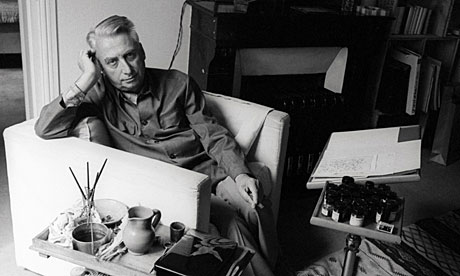
"...writing is the destruction of every voice, of every point of origin. writing is that neutral, composite, oblique space where our subject slips away, the negative where all identity is lost, starting with the very identity of the body writing."
*

"What evaluation finds is precisely this value: what can be written (rewritten) today: the writerly. Why is the writerly our value? Because the goal of literary work (of literature as work) is to make the reader no longer a consumer, but a producer of the text."
"The writerly text is a perpetual present, upon which no consequent language (which would inevitably make it past) can be superimposed; the writerly text is ourselves writing, before the infinite play of the world (the world as function) is traversed, intersected, stopped, plasticized by some singular system (Ideology, Genus, Criticism) which reduces the plurality of entrances, the opening of networks, the infinity of languages."
*
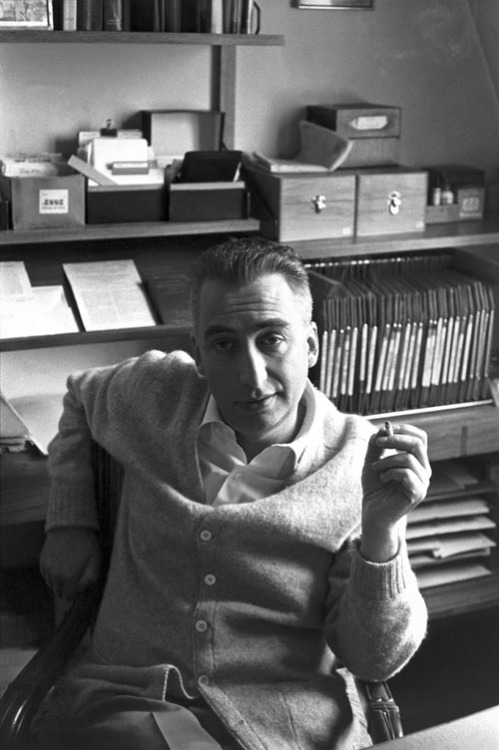
"It is precisely because I forget that I read."
*
"To read, in fact, is a labor of language. To read is to find meanings, and to find meanings is to name them; but these named meanings are swept toward other names; names call to each other, reassemble, and their grouping calls for further naming: I name, I unname, I rename: so the text passes: it is a nomination in the course of becoming, a tireless approximation, a metonymic labor."
*
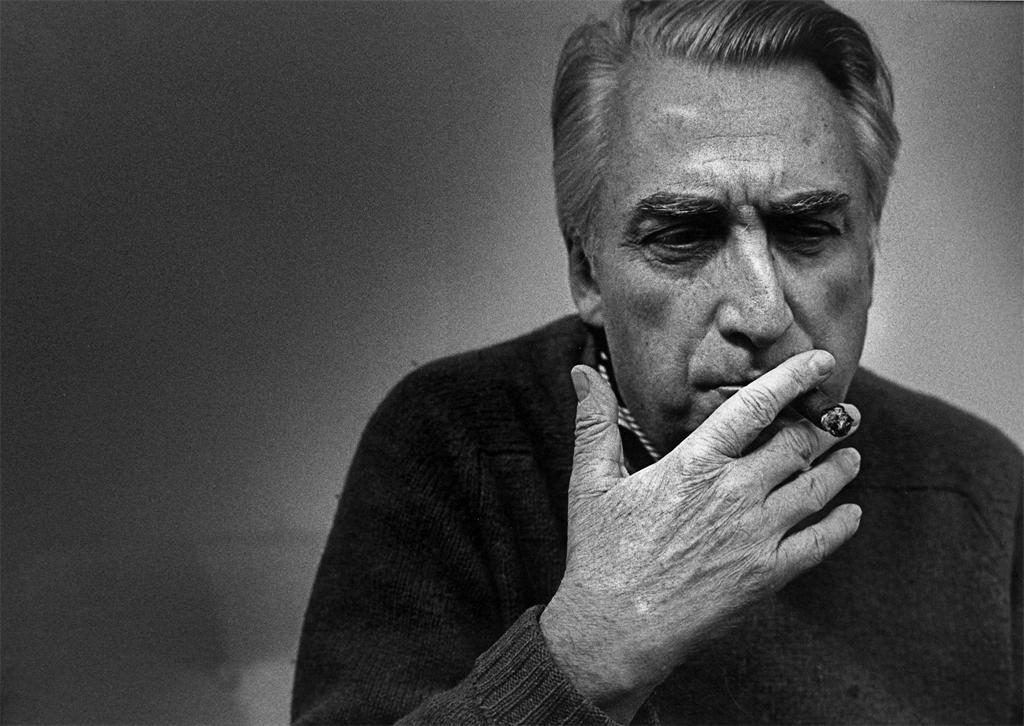
"...but in that literature itself is never anything but a single text: the one text is not an (inductive) access to a Model, but entrance into a network with a thousand entrances; to take this entrance is to aim, ultimately, not at a legal structure of norms and departures, a narrative or poetic Law, but at a perspective (of fragments, of voices from other texts, other codes), whose vanishing point is nonetheless ceaselessly pushed back, mysteriously opened: each (single) text is the very theory (and not the mere example) of this vanishing, of this difference which indefinitely returns, insubmissive."
*

Subscribe to:
Posts (Atom)

 Posts
Posts

